
Avoiding Lifestyle Creep as Your Income Grows
As your income increases, so can your spending. Learn how to avoid lifestyle creep, stay financially disciplined, and build long-term wealth without sacrificing enjoyment.
12/9/20252 min read
What Is Lifestyle Creep?
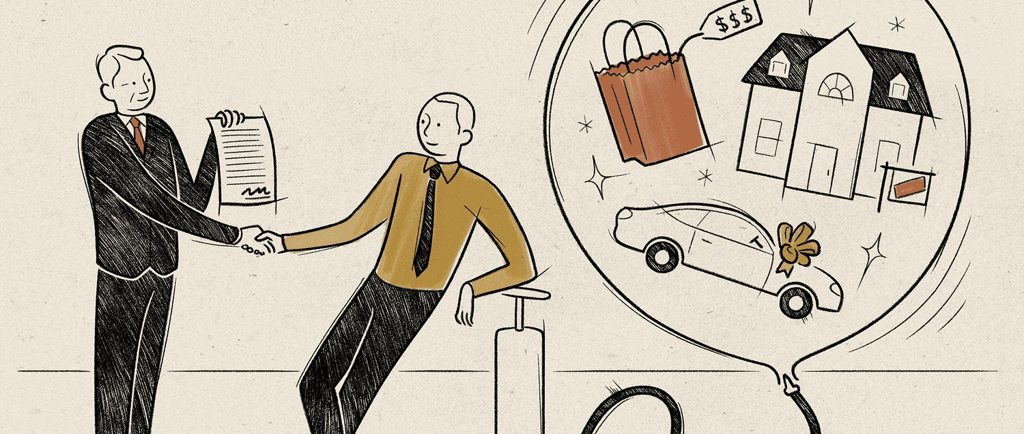
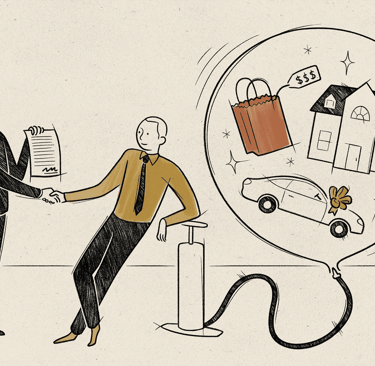
Lifestyle creep happens when your spending increases alongside your income.
You get a raise, land more clients, or grow your business — and suddenly your lifestyle upgrades too. A nicer car, bigger home, more frequent travel, higher monthly expenses.
At first, this feels rewarding. But over time, lifestyle creep can quietly prevent you from saving, investing, and building real wealth, even with a higher income.
Why Lifestyle Creep Is So Common
Lifestyle creep isn’t about poor money habits — it’s human nature.
As your income grows, expectations change. You want to “enjoy the fruits” of your hard work, and society often encourages spending as a sign of success.
The problem is that increased spending often becomes permanent, while income isn’t always guaranteed. This can leave you financially vulnerable despite earning more than ever.
The Real Risk: Earning More but Feeling Stuck
One of the biggest dangers of lifestyle creep is that you may earn more but still feel like you’re living paycheck to paycheck.
Higher fixed expenses — such as mortgages, car payments, and subscriptions — reduce your flexibility and increase stress if income ever drops.
In other words, lifestyle creep can trap you in a cycle where your lifestyle depends entirely on your current income level, leaving little room for setbacks or opportunities.
How to Avoid Lifestyle Creep
Avoiding lifestyle creep doesn’t mean depriving yourself. It means being intentional.
Start by increasing your savings and investments first, before increasing spending. When your income rises, automatically direct a portion of the increase toward long-term goals like retirement, investing, or debt reduction.
This way, you enjoy financial progress even if your lifestyle stays mostly the same.
Separate “One-Time Treats” from Permanent Upgrades
There’s nothing wrong with rewarding yourself. The key is distinguishing between:
One-time or occasional treats, and
Permanent lifestyle upgrades that increase monthly costs
A vacation or celebration purchase is temporary. A higher rent or car payment is not.
Try to keep recurring expenses stable while allowing yourself intentional, planned rewards.
Keep Your Financial Goals Front and Center
Clear goals help you resist unconscious spending.
Whether it’s early retirement, buying a home, building generational wealth, or financial independence, having a purpose for your money makes decisions easier.
When you know why you’re saving or investing, it’s easier to say no to expenses that don’t truly add long-term value.
Avoid Comparing Your Lifestyle to Others
Social media and peer pressure play a big role in lifestyle creep.
You may feel tempted to spend more simply because others appear to be doing so.
Remember: you don’t see their debt, stress, or financial reality.
True financial success isn’t visible — it’s reflected in freedom, options, and peace of mind.
Build a Lifestyle That Supports Your Future
The most sustainable lifestyle is one that supports both your present happiness and future security.
A controlled lifestyle allows you to weather income fluctuations, take career risks, invest confidently, and support your family without constant financial pressure.
When spending aligns with your values — not just your income — wealth can grow naturally.
Final Thoughts
Lifestyle creep doesn’t happen overnight, and avoiding it doesn’t require extreme discipline.
It simply requires awareness, planning, and prioritizing your future self.
As your income grows, let your financial stability and investments grow faster.
That’s how you enjoy success today while building lasting wealth for tomorrow.
Insurance
© 2025 TiKi Wealth. All rights reserved. In partnership with Experior Financial Group Inc. Privacy Policy Terms of Service Disclaimer
Investment
Other


Subscribe to Our Newsletter
Stay updated with the latest financial news and tips.