How Risk Tolerance Affects Your Wealth Strategy
Your risk tolerance shapes how you invest and grow your wealth. Learn what risk tolerance means, how to measure it, and how to align your investment strategy with your comfort level and goals.
11/2/20253 min read

Every investor wants to build wealth — but not everyone takes the same path to get there.
Some people sleep soundly even when markets drop, while others panic at the first sign of volatility. The difference? Risk tolerance.
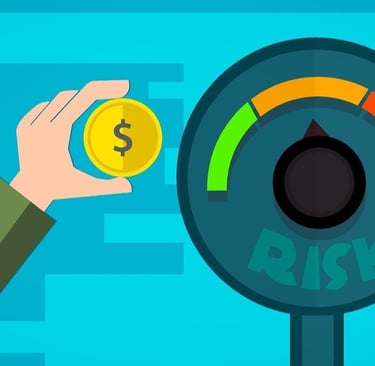
Understanding your risk tolerance — how much risk you’re comfortable taking — is one of the most important steps in building a wealth strategy that actually works for you.
Let’s explore how risk tolerance influences your investment approach, and how you can find the right balance between growth and peace of mind.
1. What Is Risk Tolerance?
Risk tolerance is your ability and willingness to handle investment losses or fluctuations in value without panicking.
It’s influenced by factors such as:
Your financial goals
Your investment timeline
Your income stability
Your personality and past experiences with money
For example, a 30-year-old saving for retirement in 30 years may tolerate more risk than someone nearing retirement who needs their savings soon.
Knowing where you stand helps ensure you don’t overreact when markets move — or miss out on opportunities for growth.
2. The Three Levels of Risk Tolerance
Most investors fall into one of three general categories: conservative, balanced, or aggressive.
Conservative investors prioritize safety and capital preservation. They prefer stable, low-risk investments like GICs, bonds, or high-interest savings accounts — but may accept lower long-term returns.
Balanced investors seek a mix of growth and stability. Their portfolios include a combination of stocks and bonds, helping them capture upside potential while cushioning against major losses.
Aggressive investors focus on long-term growth and can handle short-term market swings. They hold a higher percentage of equities or growth-oriented funds, accepting volatility in exchange for greater potential returns.
There’s no “right” level — only what’s right for you.
3. Why Risk Tolerance Matters for Your Wealth Strategy
Your risk tolerance directly impacts how your portfolio is built and how your wealth grows over time.
If your portfolio is too risky, you may panic and sell during downturns, locking in losses.
If it’s too conservative, your money may not grow fast enough to reach your goals — especially with inflation eroding purchasing power.
The key is finding the sweet spot: a portfolio that lets you sleep well at night while still working efficiently toward your financial goals.
4. How to Assess Your Risk Tolerance
You can determine your risk tolerance through:
Online questionnaires or financial advisor assessments that evaluate your comfort level with hypothetical investment scenarios.
Experience and reflection. Think back to how you reacted during market drops — did you stay calm or feel anxious?
Life stage and goals. The closer you are to using your money, the less risk you should take.
Remember: risk tolerance isn’t static. It can change as your income, family situation, or financial goals evolve.
5. Aligning Your Portfolio With Your Risk Profile
Once you understand your risk tolerance, you can design a portfolio that matches it.
Conservative: 20–40% equities, 60–80% fixed income
Balanced: 50–70% equities, 30–50% fixed income
Aggressive: 80–100% equities, 0–20% fixed income
(These ranges are just examples — your ideal mix depends on your specific situation.)
You can achieve balance through diversification, investing across asset classes, industries, and regions. This reduces overall risk without sacrificing long-term growth potential.
6. Revisit and Adjust Over Time
As your life changes, so will your tolerance for risk.
A young professional can take on more risk to maximize compounding growth. But as retirement nears, it’s wise to gradually shift toward stability to protect what you’ve built.
Review your portfolio at least once a year and adjust your asset mix to stay aligned with both your comfort level and your goals.
Conclusion
Risk tolerance isn’t about being fearless — it’s about knowing yourself.
By understanding how much risk you can handle, you can create an investment plan that’s both emotionally comfortable and financially effective.
The right balance of risk and reward is what keeps your wealth growing — steadily and sustainably — through every market condition.
Call to Action
Not sure what your risk tolerance is or how to structure your portfolio around it?
💬 Talk to TiKi Wealth today. We’ll help you discover your ideal risk level and design a personalized investment strategy that fits your goals, lifestyle, and peace of mind.
Insurance
© 2025 TiKi Wealth. All rights reserved. In partnership with Experior Financial Group Inc. Privacy Policy Terms of Service Disclaimer
Investment
Other


Subscribe to Our Newsletter
Stay updated with the latest financial news and tips.