Line of Credit vs. Personal Loan – What’s Better?
Learn the key differences between a line of credit and a personal loan, how each one works, and which borrowing option may be better for your financial situation.
11/25/20252 min read
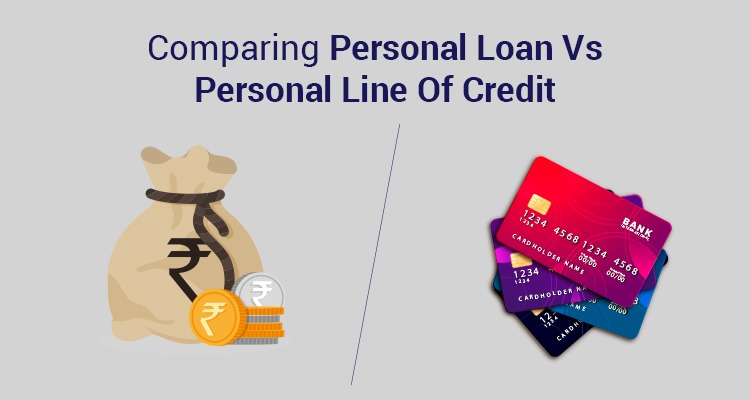
When you need money, choosing the right borrowing option can make a big difference in how much you pay in interest and how flexible your repayment terms are. Two of the most common choices are a line of credit and a personal loan. While both can help you manage expenses, they work very differently—and one may fit your situation better than the other.
Here’s a clear breakdown to help you decide.
What Is a Line of Credit?
A line of credit (LOC) is a flexible borrowing tool that lets you access money up to a set limit. You can borrow, repay, and borrow again whenever you need to.
Key characteristics:
Interest is charged only on the amount you use
You can access funds as needed, like a financial safety net
Often has variable interest rates
Minimum monthly payments are required
A line of credit is ideal for ongoing or unpredictable expenses.
What Is a Personal Loan?
A personal loan provides a fixed amount of money upfront, which you repay through regular, predictable payments over a set term.
Typical features:
Fixed interest rate
Fixed monthly payments
Set repayment timeline (1–7 years)
Best for one-time expenses or large purchases
Personal loans are great when you know exactly how much money you need.
When a Line of Credit Makes More Sense
A line of credit may be better if:
Your expenses are irregular
You want a financial buffer for emergencies
You need quick access to funds over time
You prefer paying interest only when you borrow
Examples of good uses: home repairs, unexpected expenses, or managing variable cash flow.
When a Personal Loan Is the Better Choice
A personal loan might be a better fit if:
You have a defined expense such as debt consolidation or a major purchase
You want fixed payments that are easy to budget
You prefer a clear repayment end date
You want protection from rising interest rates
This option provides structure and certainty.
Which One Is Cheaper?
It depends. Lines of credit often start with lower interest rates, but rates can increase over time. Personal loans tend to have higher initial rates, but they remain fixed, which can save you money if interest rates rise.
Your credit score also plays a big role in the rate you receive.
How to Choose What’s Best for You
Ask yourself:
Do I need flexibility or structure?
Is this a one-time expense or ongoing?
Do I prefer predictable payments?
Can I handle the risk of a variable interest rate?
If you need continuous access to funds, choose a line of credit.
If you want predictable payments and a clear payoff date, choose a personal loan.
Final Thoughts
Both lines of credit and personal loans can be useful financial tools—what matters is choosing the one that matches your needs. A personal loan gives structure and certainty, while a line of credit offers flexibility and ongoing access to funds.
The right choice helps you borrow smarter, save on interest, and stay in control of your financial plan.
Insurance
© 2025 TiKi Wealth. All rights reserved. In partnership with Experior Financial Group Inc. Privacy Policy Terms of Service Disclaimer
Investment
Other


Subscribe to Our Newsletter
Stay updated with the latest financial news and tips.