Should You Consolidate Your Debt? Pros & Cons
Thinking about consolidating your debt? Learn the pros and cons of debt consolidation, how it works, and whether it’s the right strategy for Canadians looking to manage debt effectively.
11/16/20252 min read

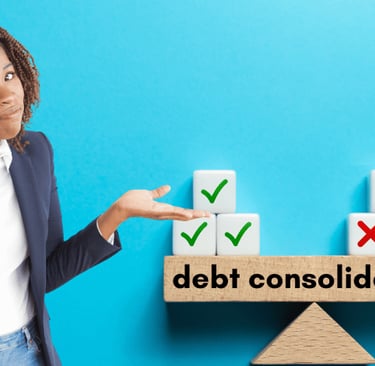
Managing multiple debts can be stressful. Between credit cards, personal loans, and other obligations, keeping track of payments and interest rates can feel overwhelming. That’s where debt consolidation comes in — combining multiple debts into one single loan or payment plan.
But is it the right choice for you? Let’s break down the pros and cons of debt consolidation so you can make an informed decision.
What Is Debt Consolidation?
Debt consolidation involves combining several debts into one, usually with a lower interest rate or a more manageable monthly payment. You can do this through:
Personal loans
Balance transfer credit cards
Home equity loans (for homeowners)
Debt consolidation programs through credit counseling agencies
The main goal is to simplify your finances and reduce interest costs, making it easier to pay off your debts over time.
Pros of Debt Consolidation
Simplified Payments
Instead of juggling multiple due dates and minimum payments, you have one monthly payment. This reduces the risk of late fees and missed payments.Potentially Lower Interest Rates
If you have high-interest credit cards, consolidating into a lower-rate loan can save you money over time.Faster Debt Repayment
Lower interest and a structured repayment plan can help you pay off debt faster than making minimum payments across multiple accounts.Improved Financial Clarity
With a single payment, it’s easier to see your progress and stay motivated to become debt-free.
Cons of Debt Consolidation
It May Cost More Over Time
If your consolidation loan is long-term, you might end up paying more in interest overall despite a lower monthly payment.Risk of Adding New Debt
Some people consolidate but then continue using credit cards, which can lead to even more debt.Fees and Penalties
Some loans or balance transfers come with setup fees, balance transfer fees, or prepayment penalties.Not a Quick Fix for Financial Habits
Debt consolidation doesn’t address underlying spending habits. Without a plan, you could end up in debt again.
Who Should Consider Debt Consolidation?
Debt consolidation can make sense if you:
Have multiple high-interest debts (like credit cards)
Can commit to a structured repayment plan
Want to simplify your finances and track progress
It’s less effective if you’re struggling to control spending, have a short-term income problem, or plan to continue accumulating new debt.
Insurance
© 2025 TiKi Wealth. All rights reserved. In partnership with Experior Financial Group Inc. Privacy Policy Terms of Service Disclaimer
Investment
Other


Subscribe to Our Newsletter
Stay updated with the latest financial news and tips.