
The Psychology of Debt: Understanding Why You Keep Spending
Discover the psychology behind debt and overspending. Learn why you keep spending, how emotional triggers influence financial behavior, and practical steps to break the cycle.
12/4/20252 min read

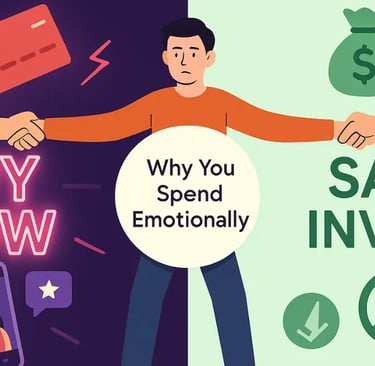
The Psychology of Debt – Why You Keep Spending
Debt doesn’t happen overnight. It builds slowly, influenced by emotions, habits, and beliefs we rarely notice. Many people don’t get into debt because they’re irresponsible—they get into debt because money is deeply tied to psychology.
If you’ve ever asked yourself, “Why do I keep spending even when I know I shouldn’t?” this article explains the hidden forces behind overspending and how you can take back control.
1. Why We Spend: The Emotional Drivers Behind Debt
Spending is rarely just a financial decision. It’s often an emotional reaction. We buy things to feel good, reduce stress, reward ourselves, or feel more in control.
Common emotional triggers include:
Stress: Shopping activates dopamine, giving temporary relief.
Loneliness: Buying things fills an emotional gap.
Boredom: Spending becomes entertainment.
Low self-esteem: Purchases help people “feel better” or fit in.
When emotions guide your spending, it’s easy to lose track of your financial boundaries.
2. The “Reward System” in Your Brain
The brain is wired to seek pleasure. When you buy something new, your brain releases dopamine—the chemical responsible for excitement and reward.
This creates a cycle:
You feel stressed or unhappy.
You buy something.
You feel better temporarily.
Your brain remembers this reward.
You repeat the behavior.
This cycle can lead to debt without you realizing it.
3. Social Pressure and the Comparison Trap
We live in a world where social media shows curated, perfect lifestyles. It creates the illusion that everyone else is wealthier, happier, and more successful.
This leads to:
Impulse spending to “keep up”
Buying status symbols like new gadgets or luxury items
Fear of missing out (FOMO)
You may not actually need these things—but social pressure makes them feel necessary.
4. The Convenience of Modern Spending
Spending used to require effort. Today, it takes only a few seconds.
One-click online shopping
Automatic credit card approvals
Buy-now-pay-later apps
Subscription services you forget to cancel
Convenience removes friction, making overspending effortless and debt more likely.
5. The Illusion of “Future You”
People often assume their future self will be more disciplined, richer, or more responsible.
So they think:
“I’ll pay it off later.”
This creates:
Overconfidence in future income
Underestimating future expenses
Habitual debt accumulation
Your “future you” becomes responsible for decisions your “current you” makes impulsively.
6. Why It's Hard to Stop: The Debt Spiral
Once you fall into debt, psychological stress increases. Many people cope with that stress through… more spending.
This creates a dangerous loop:
Debt causes stress
Stress triggers emotional spending
Emotional spending increases debt
Breaking this cycle requires both practical tools and emotional awareness.
7. How to Break the Cycle of Overspending
These strategies help you regain control:
1. Identify Your Spending Triggers
Is it stress? Boredom? Social pressure?
Write down what you feel before making a purchase.
2. Create “Cooling-Off” Rules
Wait 24 hours before buying anything non-essential.
3. Remove Temptation
Unfollow shopping accounts, unsubscribe from sales emails, delete stored card information.
4. Use Cash or Debit When Possible
Paying with real money feels more “real,” reducing impulse buys.
5. Build a Healthy Financial Routine
Set budgets, track expenses, and review debt weekly.
6. Create Non-Spending Rewards
Instead of shopping, reward yourself with rest, hobbies, or time with loved ones.
Final Thoughts
Debt isn’t just a financial problem—it’s a psychological one. Understanding why you spend is the first step toward breaking unhealthy patterns. When you identify emotional triggers, build healthier habits, and set clear boundaries, you regain control of your money—and your life.
The journey starts with awareness. Once you understand your relationship with money, you can rewrite your financial story.
Insurance
© 2025 TiKi Wealth. All rights reserved. In partnership with Experior Financial Group Inc. Privacy Policy Terms of Service Disclaimer
Investment
Other


Subscribe to Our Newsletter
Stay updated with the latest financial news and tips.