
The Psychology of Debt – Why You Keep Spending
Discover the psychology behind debt, why overspending happens, and how understanding your habits can help you break the cycle and regain control of your finances.
11/27/20252 min read
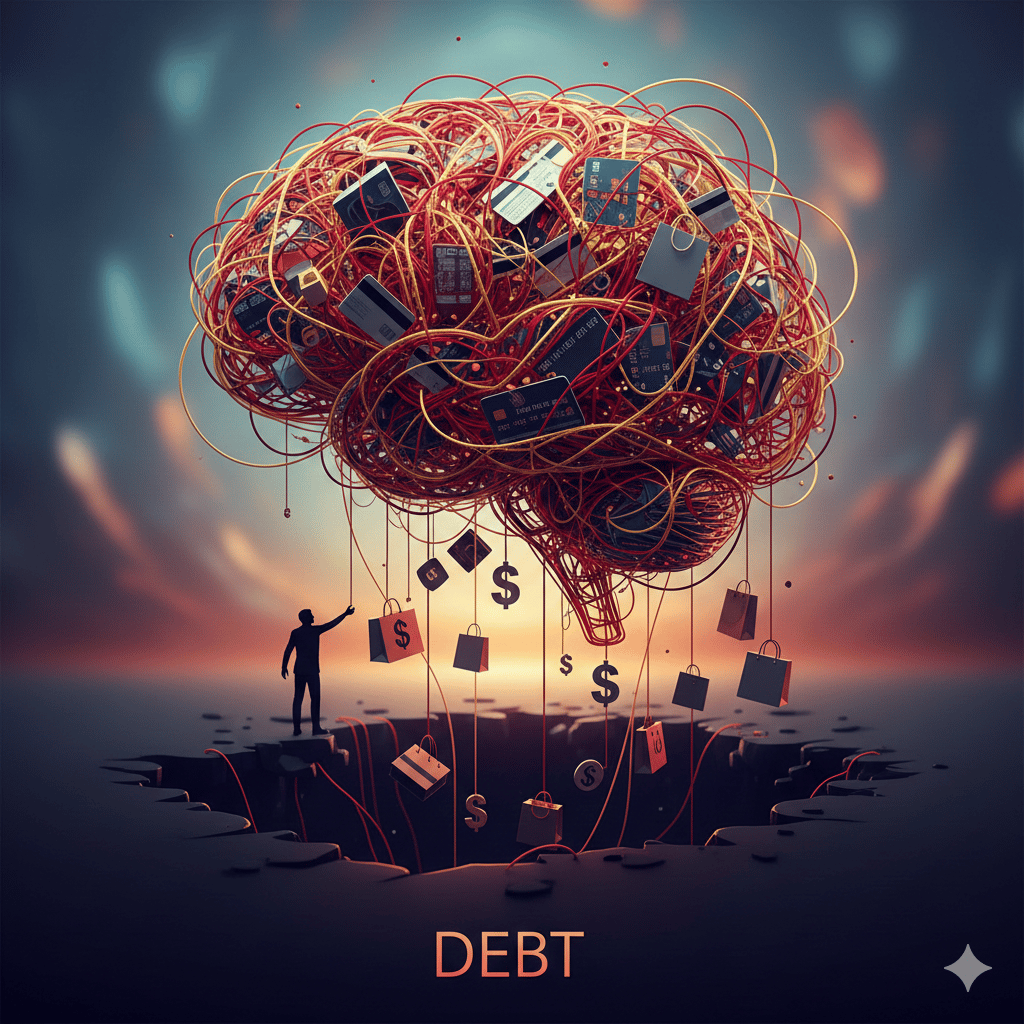
Most people think debt is only a math problem—but in reality, it’s deeply emotional. If you’ve ever wondered why you keep spending even when you know it leads to more debt, you’re not alone. Human behaviour, stress, and mindset all influence how we use money.
Understanding the psychology behind debt is the first step toward breaking the cycle.
1. Emotional Spending Feels Rewarding
Buying something you enjoy triggers a dopamine release—the “feel-good” chemical in your brain. This reward response can make shopping feel comforting, especially when you’re stressed or overwhelmed.
That’s why emotional spending often happens during tough moments. It’s less about the item and more about the temporary relief it gives.
2. Stress and Anxiety Lead to Impulsive Choices
Debt itself creates stress, and stress can lead to quick decisions without thinking about long-term consequences.
The brain goes into survival mode, focusing on comfort right now instead of future financial health.
This is why some people spend more when they feel exhausted or anxious—it becomes a coping mechanism.
3. “I Deserve It” Thinking Can Be Harmful
After a long week or difficult situation, it’s easy to say, “I’ve worked hard—I deserve this.”
And while treating yourself is normal, using rewards as justification for overspending can gradually push you deeper into debt.
This mindset creates a loop: stress → spending → guilt → more stress → more spending.
4. Social Pressure Makes Overspending Feel Normal
Seeing friends, colleagues, or influencers buying new things can create a fear of missing out. Even if you don’t consciously compare yourself, modern lifestyles often normalize high spending.
When “everyone else” upgrades their phone, buys new clothes, or travels, it becomes harder to stay disciplined.
5. Credit Makes Spending Feel Less Real
Tapping a card or clicking “Pay Later” disconnects you from the feeling of losing money. You don’t see the dollar bills leaving your wallet, so the purchase feels painless in the moment.
That distance can lead to overspending without fully realizing it—until the bill arrives.
6. Long-Term Consequences Feel Distant
Human psychology naturally prioritizes short-term pleasure over long-term goals. This is known as present bias.
Even if you want to be debt-free, the benefits feel far away. But the urge to buy something happens right now.
This gap between future goals and present emotions makes staying disciplined difficult.
How to Break the Cycle
Understanding your behaviour is powerful—because it helps you change it.
Here are simple strategies that work:
Identify emotional triggers like stress, boredom, or frustration
Add a 24-hour pause before buying non-essential items
Use cash or debit for daily purchases
Set small wins, like paying off one credit card first
Replace “I deserve it” with “I deserve financial peace”
Track spending weekly, not yearly
Automate payments so progress happens in the background
You don’t need to be perfect to improve. You just need small, consistent habits that redirect your behaviour over time.
Final Thoughts
Debt isn’t just about numbers—it’s about mindset, emotions, and habits. When you understand why you keep spending, you gain the power to change it.
With awareness and simple behaviour shifts, you can create a healthier relationship with money and start moving toward a life with less stress and more freedom.
Insurance
© 2025 TiKi Wealth. All rights reserved. In partnership with Experior Financial Group Inc. Privacy Policy Terms of Service Disclaimer
Investment
Other


Subscribe to Our Newsletter
Stay updated with the latest financial news and tips.