
Understanding the Power of Compound Interest: A Calculator Example
Discover the power of compound interest and how starting early can dramatically grow your wealth. Learn with a simple Canadian example that shows your money working for you.
11/23/20252 min read
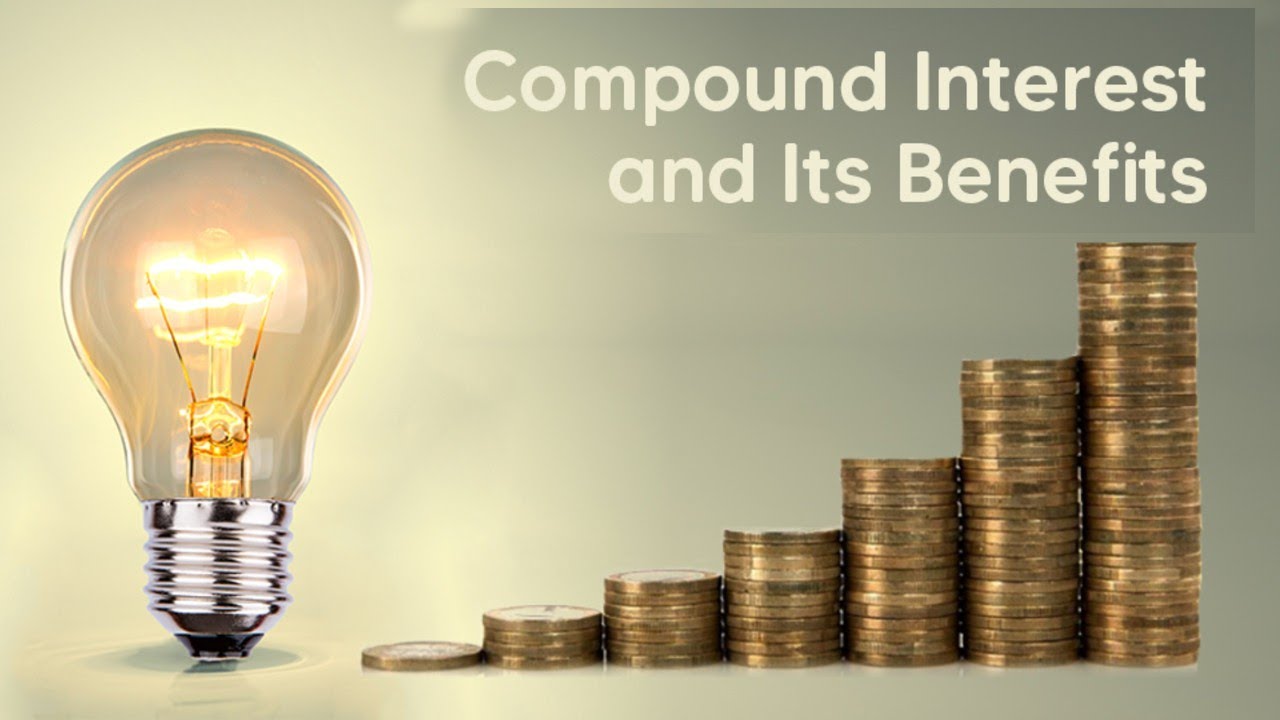
Compound interest is often called the 8th wonder of the world, and for good reason. It allows your money to grow not just on your contributions, but also on the interest those contributions earn — a snowball effect that can transform small, consistent investments into substantial wealth over time.
Understanding compound interest is key for Canadians looking to save for retirement, build an emergency fund, or grow long-term investments.
What Is Compound Interest?
Compound interest occurs when your investment earns returns, and those returns start earning interest themselves. Unlike simple interest, which only pays on the original amount, compound interest accelerates your wealth as time goes on.
Even modest contributions, when left to grow over decades, can result in significant gains — all thanks to the power of compounding.
A Simple Example
Imagine you invest $300 per month into a tax-advantaged account like a TFSA or RRSP, and your investment grows at an average rate of 7% per year. Over 25 years, your total contributions would amount to $90,000. However, the power of compound interest could turn that $90,000 into nearly $197,000 — meaning more than half of your wealth comes from the growth your money earned on its own.
The key takeaway? Time is your most powerful ally. The earlier you start investing, the more your money can compound, making even small contributions highly effective.
Why Starting Early Makes a Difference
Starting in your 20s or 30s gives your money decades to grow. Even if you increase contributions gradually, your investment has more time to generate interest on both your principal and accumulated returns.
Compound interest rewards consistency and patience, not just large deposits. Avoid trying to “time the market” — the longer your money remains invested, the greater the compounding effect.
Tips to Maximize Compound Interest
Start early: The sooner you invest, the more time compounding has to work.
Be consistent: Contribute regularly, even if the amounts are small.
Choose growth-oriented investments: Stocks, ETFs, and equity mutual funds typically provide higher long-term returns.
Use tax-advantaged accounts: RRSPs and TFSAs allow your investment to grow tax-deferred or tax-free.
Reinvest earnings: Dividends, interest, and capital gains should remain invested to fully benefit from compounding.
Final Thoughts
Compound interest is simple but powerful. It’s the reason why starting early, being consistent, and choosing the right investments can dramatically improve your financial future.
Even small monthly contributions can grow into substantial wealth over time — all thanks to the magic of compounding.
Insurance
© 2025 TiKi Wealth. All rights reserved. In partnership with Experior Financial Group Inc. Privacy Policy Terms of Service Disclaimer
Investment
Other


Subscribe to Our Newsletter
Stay updated with the latest financial news and tips.